Writing the Next Hit
“When I was first getting going, I was always trying to show how good a writer I was by writing really clever lines. But maybe they weren’t true. They didn’t touch a nerve for anybody. I think it has to be true, and I think it has to move somebody to do something.” - DANIEL ROSS
Ðǿմ«ý alumnus Daniel Ross ’15 is a prolific songwriter whose collaborations with major artists like Morgan Wallen, Jake Owen and Nate Smith have captured the attention of audiences around the globe.
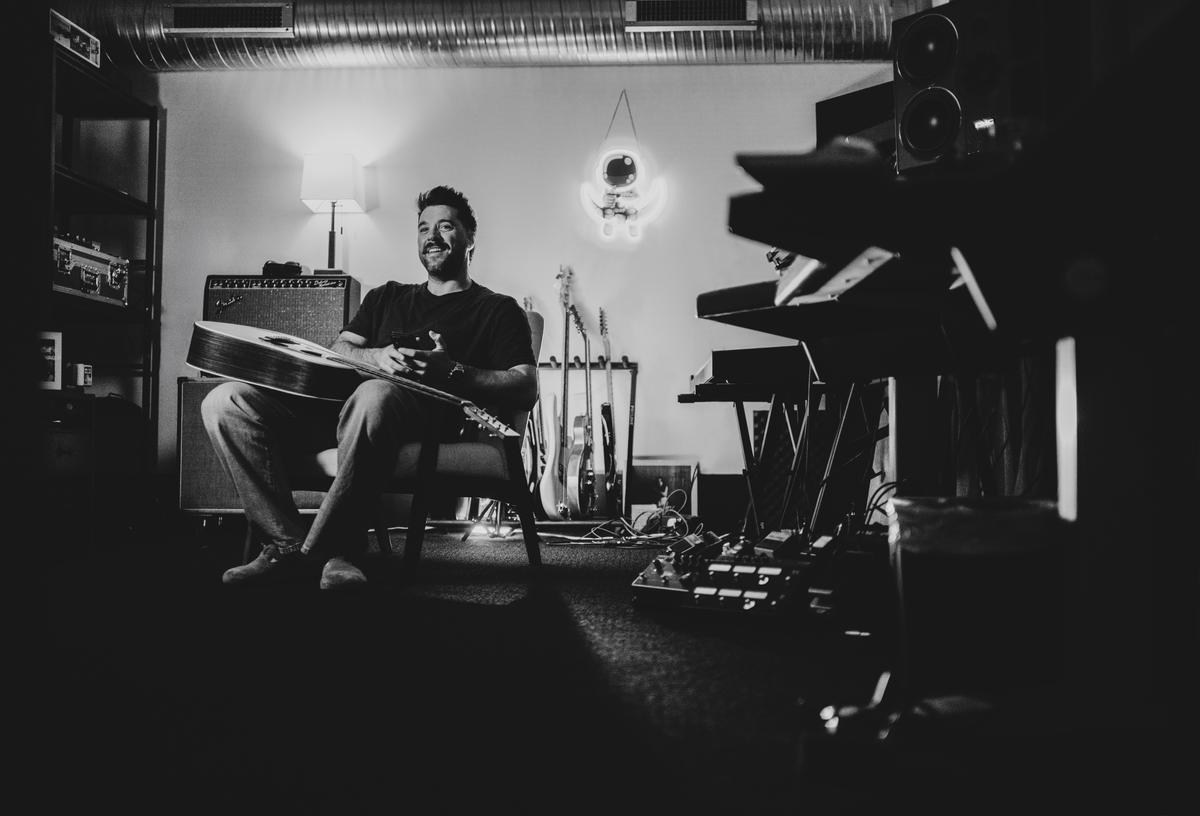
Ross grew up in the “hip-hop and metal town” of Hope Mills just outside Fayetteville and dreamt of a career in music from an early age.
“Even in high school, I was thinking about music and what I wanted to do with it,” Ross said. “Around 16, I started touring around North Carolina, Tennessee and Georgia.”
Ross loved his craft, loved playing and being on stage, and saw a real future in the work. He also took inspiration from his sports-loving older sister, who applied and attended Ðǿմ«ý as a star athlete just a few years earlier.
When time came for Ross to apply for college, he sent his only application to Ðǿմ«ý, and in 2009 he began his education in communications.
His journey was not a typical one. Just after his freshman year, Ross was offered a record deal with his band “Divided by Friday,” and jumped at the opportunity to tour as a rock band again and perform at the famous Vans Warped Tour festival.
Ross quickly realized, however, that the little money he was making in the band wasn’t sustainable. With that understanding, Ross chose to return to the area and briefly attended Southwestern Community College before transferring back to Ðǿմ«ý.
Professor and head of Ðǿմ«ý’s communication department Scott Eldredge recalls watching Ross’s songwriting ambitions develop in real time in the classroom and described how some of his favorite teaching moments ever emerged out of exercises and projects Ross and his classmates helped accomplish.
“That year at Western, working with Daniel and getting to know him and how he valued family, how he loved songwriting and how he sought to build a music career that brought those things into balance was really a gift to me,” Eldredge said.
Over the same period, Ross also met the woman who would become his wife, another Ðǿմ«ý alumna named Cara Ross.
With what money he’d earned from his record deal and a brief stint on television, Ross purchased several pieces of recording equipment and began offering his services to locals in the area.
In no time at all, he was able to set up his first studio in Fayetteville, offering local artists competitive rates and helping them produce in-between a full load of classes.
“One of those years, one of my friends whom I’d been in bands with called me; he had moved to Nashville and gotten signed to a publishing deal,” Ross said.
“I didn’t even know that was a thing. I didn’t know you could write songs for a living, so I started making trips to Nashville – because I could do recording and production, and that was sort of a newer niche thing at the time.
“Obviously, in L.A., New York and Chicago—other markets with big music scenes outside of country music—having somebody build tracks on a computer had been going on for a long time,” Ross explained.
“But in Nashville, it was still fairly new. It’s standard now, but 10 or 15 years ago, the old songwriters were like, ‘What do you mean somebody’s got a computer in here?’ So I got on the forefront of that and benefited from it.”
Utilizing his connections in the community of musicians he’d discovered, Ross excelled, and after signing his songwriting contract, he was able to move to Nashville immediately after graduating.
“When you first get to town, Nashville is a very good community for building your chops and developing some of the rudimentary skills that are required to become really good at it,” Ross said, “but it’s also brutal.”
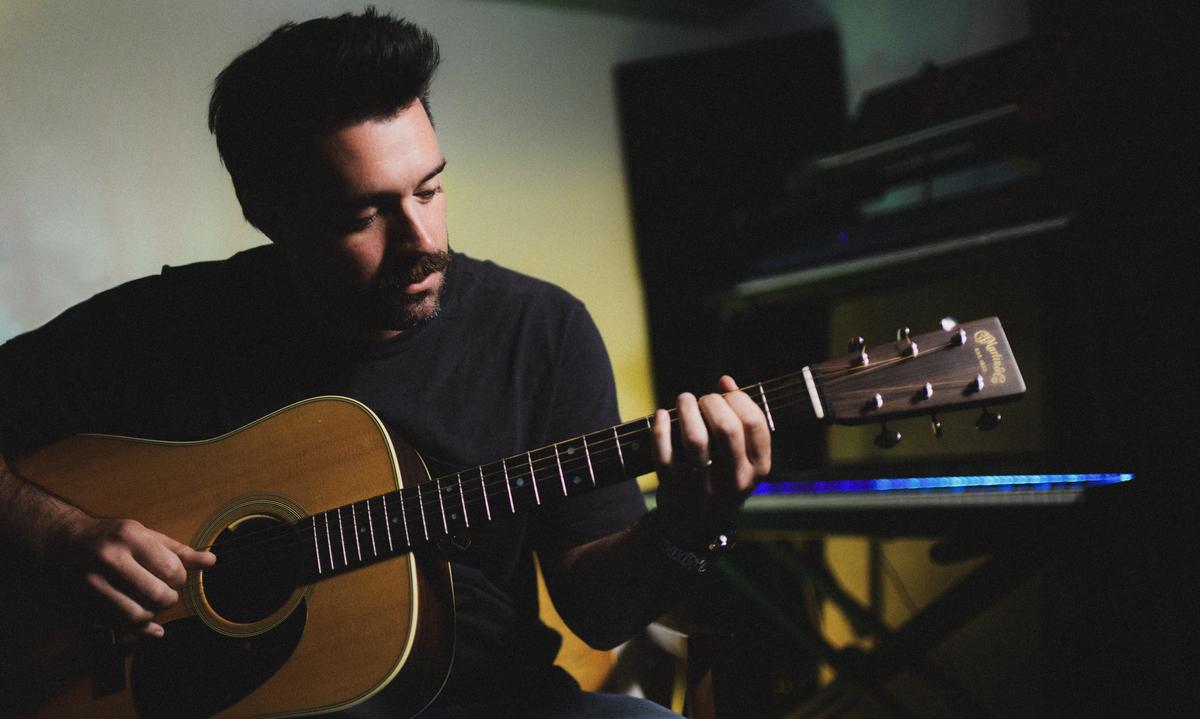
This year he’s coming up on a decade in the Nashville scene, and his busy routine has brought him shoulder to shoulder with some of the top artists of our time.
The song writer stays moving, juggling the responsibilities of fatherhood with those of an artist in demand. Ross spends hours writing and working from his studio, where he’ll occasionally share the space with visiting performers.
On other occasions, Ross will be sent around the world, invited to go on tour or spend days with an artist to get properly acquainted. This also gives him an opportunity to understand those nuances from their perspective that informs his work.
It’s a kind of collaborative instinct Ross has developed over the years, and even now it’s not without its challenges.
“It’s tough because it can feel very inorganic. Everybody knows why you’re there. You’re there to write a song, and hopefully, it’s a hit,” Ross said. “But if you can get away from thinking like that and instead just get to know the person and serve the song, I think those two things lining up are what make a song successful.”
It’s a matter of reading the artist as much as it is reading the culture, and the context of your messaging within the broader zeitgeist.
“Culture and current events change things. Right now, we’re living in a time when a million songs a day are uploaded to streaming services. Then you’ve got TikTok. You’ve got Instagram. We’re inundated with content. So, I think it gets trickier the longer you go,” Ross said.
“The first place I’ll start is that what you’re saying has to be true in some form of fashion. I think that’s really important. You have to start with the truth.
“When I was first getting going, I was always trying to show how good a writer I was by writing really clever lines. But maybe they weren’t true. They didn’t touch a nerve for anybody.
“I think it has to be true, and I think it has to move somebody to do something.”
Whether that’s dancing, crying, laughing, or just feeling something deeply,” Ross said.
When Ross wrote his first No. 1 song, “Lies, Lies, Lies,” by Morgan Wallen with his partners at Big Machine in 2024, it was a tremendous and validating moment that affirmed for himself his belonging among those music experts he admired.

To students inspired by Ross with their own hopes of reaching the billboards, he offered this advice:
“I think whatever you do, don’t try to be good at it. Try to be great at it,” Ross said.
“Even if you fail, the next day you get up and say, ‘I’m going to try to be great again today.’”
Ross doesn’t want to leave the world feeling rested; he wants to leave it tired and to move people while he’s here. He encourages current Catamounts to be untiring in pursuit of their passions, and his own story is testament to the heights they can achieve with that attitude.