
EMC at 50
Dr. Joshua Corsa ’08
Dr. Joshua Corsa joined the Nags Head Fire Department the very first day he could
at 16 years old, and 30 years later, that choice to help has shaped the course of
his life.
“I genuinely wouldn’t know any other way,” Corsa said. “It just came naturally.”
Thirty years on from his start in paramedicine, Corsa is a renowned trauma surgeon
and emergency department and trauma medical director at Three Rivers Hospital in Tacoma,
Washington, and a part-time surgeon at St. Joseph’s Hospital. He serves as the medical
director for eight EMS agencies across the state, a SWAT team and a helicopter search-and-rescue
program. He’s also seen four combat deployments and serves as a U.S. Army Reserve
physician and hospital commander.

After earning his first paramedicine license from Tidewater Community College in Virginia
Beach, Corsa got right to work as an EMT and paramedic; he also enlisted in the National
Guard in Washington. When the urge to pursue more education and medical school struck
him, Corsa found Ðǿմ«ý’s emergency medical care program and enrolled in 2006.
“My time at Western was absolutely fantastic. I was on the Cullowhee Fire Department,
volunteering there, and I also worked nights for the ambulance service there in town,”
Corsa said. “There were some days that I had to work during the day, and I would just
show up to school in my uniform.” Dr. Joshua Corsa “Everyone at Western was nothing
but supportive and instrumental in helping me navigate all those things together.
That was kind of my springboard into everything. I certainly would not be where I
am without my time at Western.”
After graduating from Ðǿմ«ý, Corsa earned his medical degree from East Carolina University
and traveled to Orlando, Florida to complete a general surgery residency. From there,
he continued on to Seattle for a critical care fellowship.
Corsa’s skills as a surgeon were thrown into the national spotlight in 2016 when he
operated on victims of the mass shooting at the Pulse Nightclub in Orlando, where
49 people were killed and more than 50 were injured.
Corsa operated for more than thirty hours to save lives and eventually told his story
to National Public Radio. He shared a poignant statement online, accompanied by a
photo of the sneakers he’d worn that shift:
"On these shoes, soaked between its fibers, is the blood of 54 innocent human beings.
I don’t know which were straight, which were gay, which were black or which were Hispanic.
"What I do know is that they came to us in wave upon wave of suffering, screaming
and death. And somehow, in that chaos, doctors, nurses, technicians, police, paramedics
and others performed superhuman feats of compassion and care.”
As Corsa developed his expertise and climbed to higher leadership roles, he measured
his success in the wellbeing of his subordinates, when those younger and more inexperienced
medics and soldiers felt comfortable asking questions and confronting their mistakes.
“When my paramedics felt comfortable calling and saying, ‘Hey, I don’t think I did
good on this,’ or ‘I really want your advice,’ I knew we had finally gotten to that
point culturally where I was succeeding,” Corsa said. “While we do discuss our opportunities
for improvement, it’s also as much about celebrating the victories and the things
that went right, whether big or small, and trying to break down that barrier between
physicians and paramedics.”
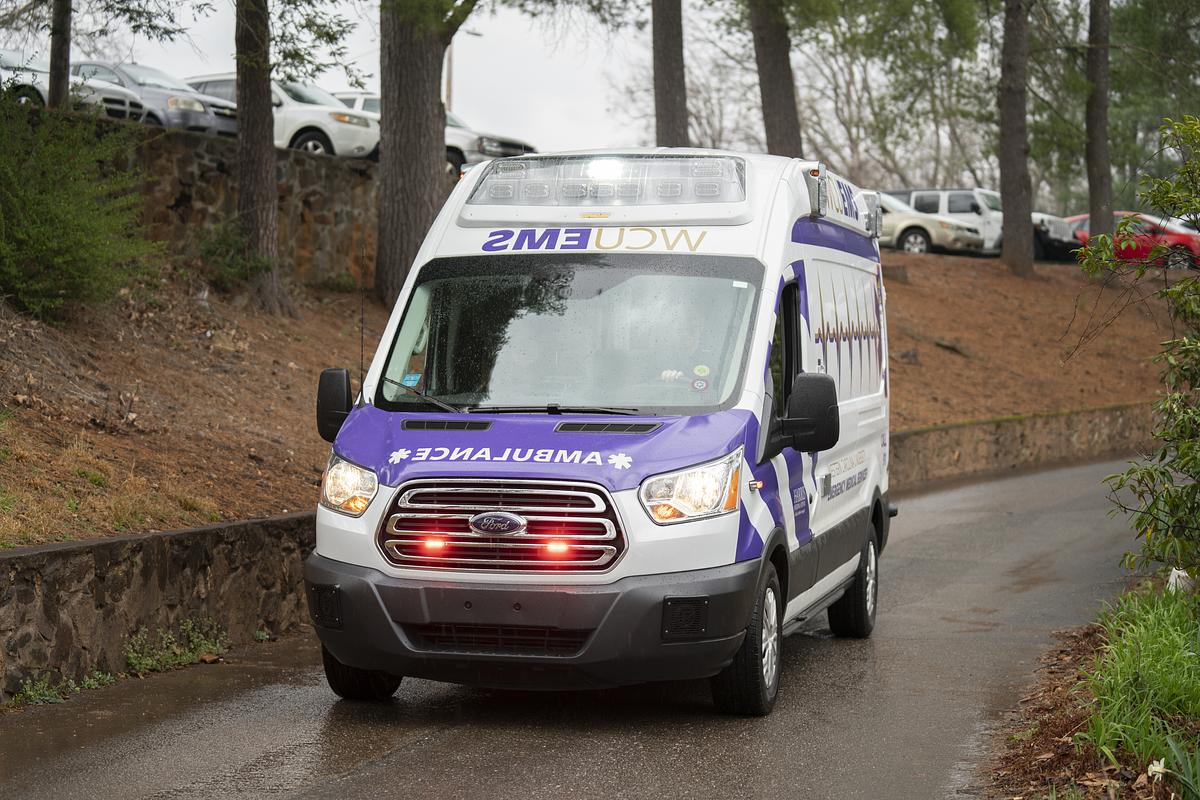
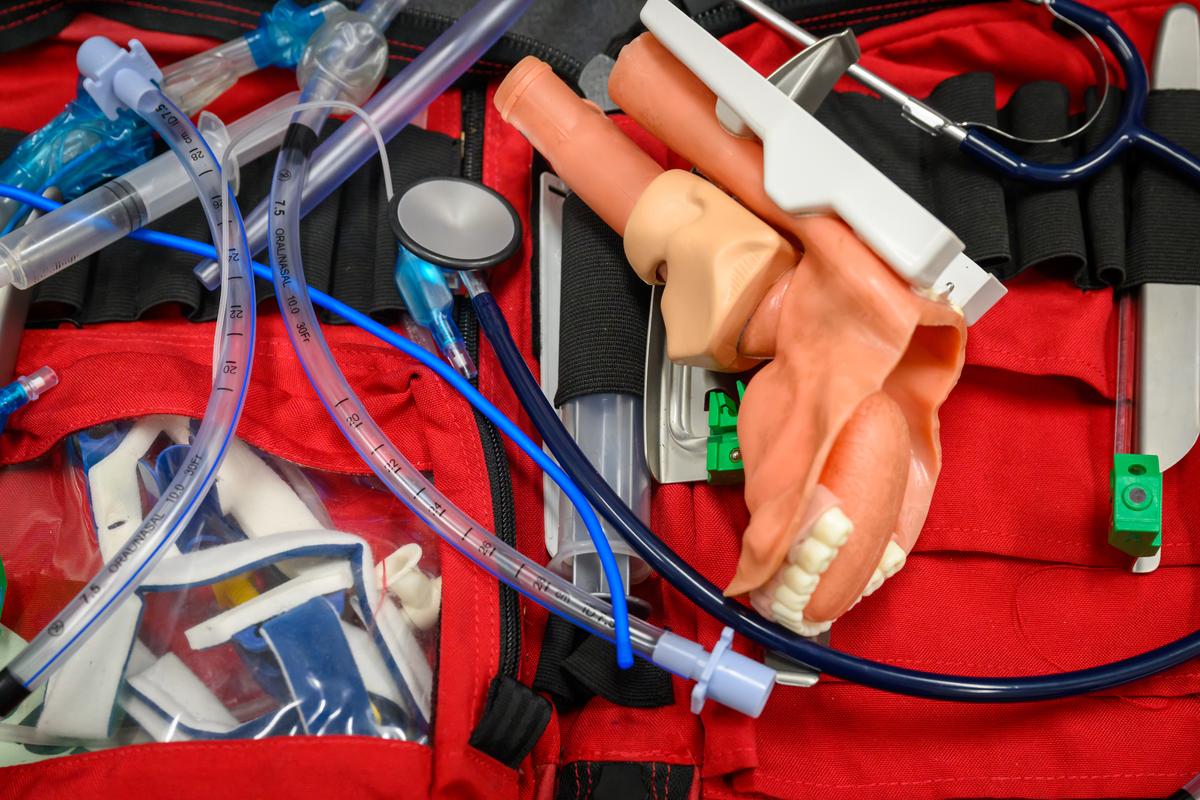
Corsa encourages current Ðǿմ«ý students aspiring to work in his field to always ask
questions, because “you’ll be better at anything you do if you focus on the why.”
“The fact that the program exists and allows paramedics who already have their paramedic
certification — or people aspiring to become paramedics — to obtain a four-year degree
is huge,” Corsa said.
“I am very firmly in the camp that all paramedics should have degrees, whether that’s
two years or four years. Western has done an incredible job, more than most places
in America, at professionalizing paramedics and making it not just a trade but a true
academic profession.
Joseph Zalkin is a changemaker, and the co-leader of the North Carolina EMS Regional
Blood Coalition. The organization is dedicated to improving trained paramedics’ access
to lifesaving blood in the field and is the second largest of its kind in the country.
Zalkin began the project four years ago with collaborators to address a historic obstacle
for first responders. “EMS is often the first to arrive on a trauma call, but historically
our capabilities have been limited,” Zalkin said. “If a patient had lost a lot of
blood, we would replace it with clear fluids and transport them to the hospital, where
they would then receive blood. That could be 20 minutes after injury or 45 minutes
after injury, before they received blood.”
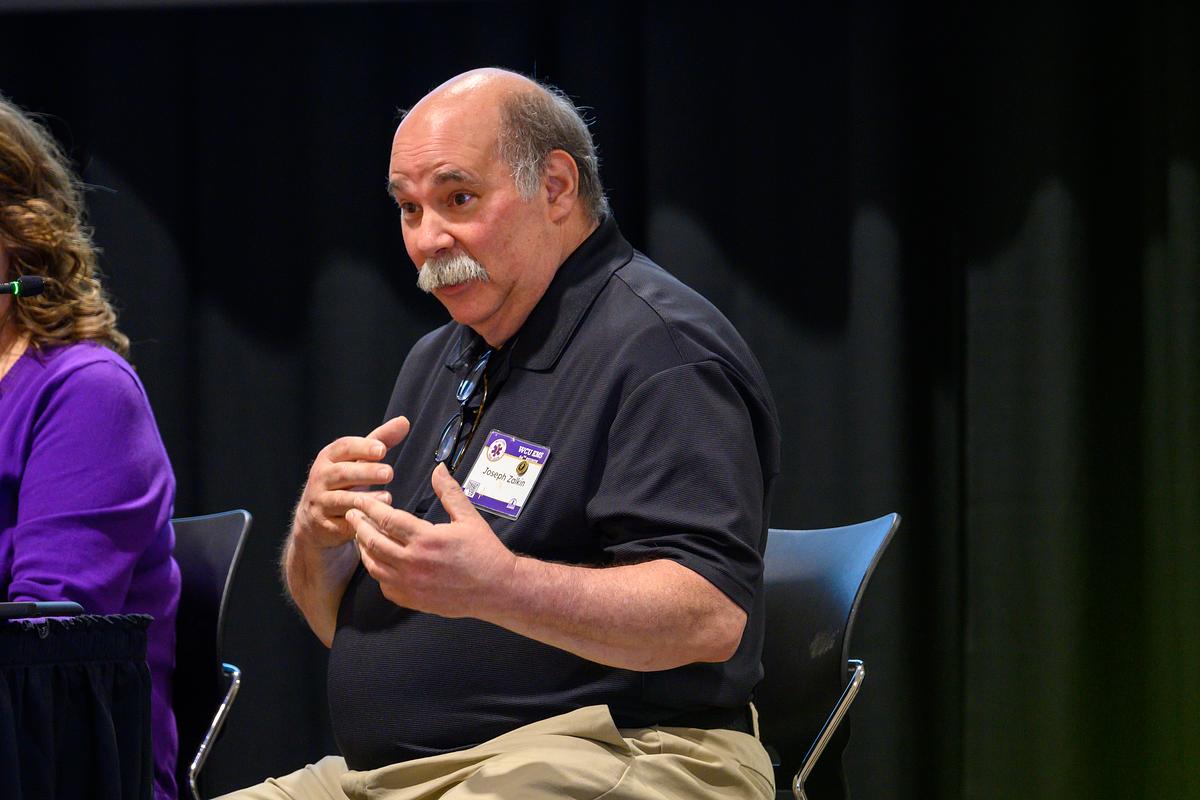
“Hospitals also have workflow issues. Once the patient arrives, it can take another
20 to 30 minutes before blood administration is authorized. So there can be a significant
delay,” Zalkin added.
The coalition now works with 20 different EMS agencies across the state to make sure
paramedics have access to full blood bags, and counties like Orange and Durham are
getting help with government grants from the Department of Transportation to purchase
the equipment required for the blood to be stored and administered properly in the
field.
Zalkin came onto this project eager to bring about change after a 35-year career as
deputy director with Wake County. He’d pushed for similar growth before, as in 2016
when, after witnessing a fellow paramedic attacked by a patient, Zalkin worked with
the Duke Endowment, the North Carolina office of EMS and Wake County to establish
a workplace violence reporting registry and implement trainings focused on de-escalation,
recognizing signs and taking defensive action.
That Zalkin has done so much with his retirement is a feat. That it comes on the tail
end of a career defined by growth and development is that much more impressive.
“When I arrived in Raleigh, Wake County EMS consisted of only four county ambulances
serving the center of the county,” Zalkin said. “Nine rescue squads provided the rest
of the coverage. The county covered approximately 625 square miles.”
“Today, Wake County EMS operates more than 50 ambulances and serves the entire county
through an integrated EMS system,” Zalkin said.
“The service includes paramedics, EMTs, community paramedics and mobile integrated
health personnel.
“These specialized providers focus on patients with chronic conditions such as heart
failure, diabetes and frequent emergency department utilization.
“Instead of repeatedly transporting those patients to hospitals, community paramedics
help keep them on track with their care plans and address problems before they become
emergencies.”
By partnering with local government officials and private groups like Doctors Making
House Calls, Zalkin has been able to improve the quality of life for both working
professionals and their patients and has been able to create space for new and necessary
conversations.
When he praises Ðǿմ«ý’s EMC program, he speaks of its affordability, of the depth of
students’ clinic exposure and, most especially, of the alumni community.
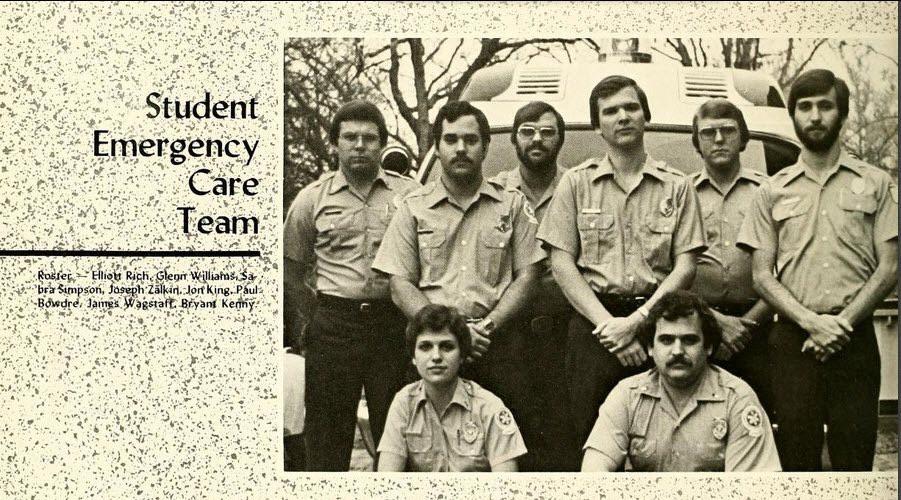
“Many graduates from this program went into communities and built EMS systems from
the ground up. That’s what I did in Wake County. We weren’t stepping into established
systems. We were creating them. One of the strengths of this program has always been
the alumni network.
“The program’s culture creates lifelong relationships. Whether someone remained in
EMS or pursued another profession, there is a common thread: service. People are drawn
to making a difference in their communities. That shared mission creates bonds that
last decades.”
"Community service was simply part of what we did…That experience stayed with me throughout
my life."
Kevin Dull is the founder and leader of EnviroSafe, an emergency consulting firm that’s
educated public and private organizations about disaster preparedness for more than
30 years.
He is also one of the very first Ðǿմ«ý graduates to earn a degree in emergency medical
care.
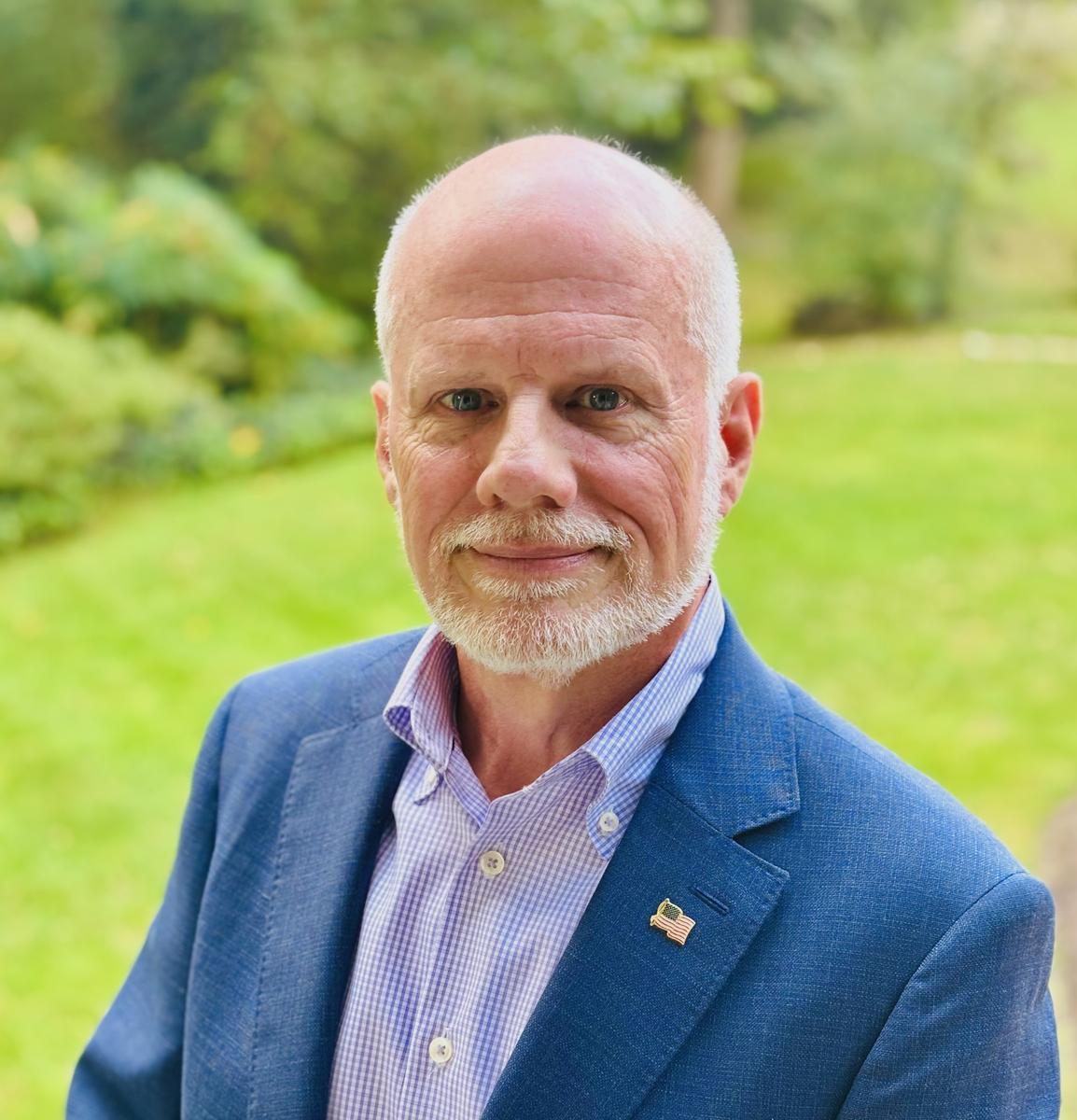
Dull began his time at Ðǿմ«ý with his sights set on a career in industrial safety. But
alongside that goal was a deep appreciation for EMS, born of his time spent volunteering
with the Clemmons Fire Department as a boy.
When Dull arrived on campus for his freshman year and saw the Student Emergency Care
Team at work, he was shocked and intrigued.
“I couldn’t believe it. I had no idea Western had anything like that,” Dull said.
“I found out who was in charge, went through the interview process, and during the
second semester of my freshman year, I joined the SEC Team.”
Dull fell in love with the work and became deeply involved in campus EMS operations.
Alongside his industrial technology classes, Dull completed a number of health sciences
electives.
“The SEC Team did much more than respond to emergencies on campus. We participated
in community service projects throughout the region. We taught first-aid classes in
rural communities. We worked with rescue squads. We helped with training programs,
including water rescue and kayak rescue operations on the Tuckasegee River,” Dull
said.
“Community service was simply part of what we did…That experience stayed with me throughout
my life.”
When Dull was about to graduate with his degree in industrial technology, he was encouraged
by former professor Barbara Lawson to stay an additional year and complete the remaining
clinical and program requirements to earn his degree in EMC as well, and he agreed.
After graduating, Dull worked as a paramedic on an ambulance in Iredell County. He
was there for two years, until leadership recommended Dull use his degree to take
on new responsibilities.
When the role of Surry County Emergency Management director and fire marshal became
vacant, Dull was offered the position and earned new certifications related to fire
investigation and emergency management.
“My EMS education gave me the management background needed for the role, and my firefighting
experience allowed me to pursue certifications as a fire investigator,” Dull said.
“I accepted the position and spent three years there.”
But the chemical industry was undergoing significant changes, and Dull was taking
notice.
“Incidents such as the Union Carbide disaster in Bhopal, India and related concerns
in Institute, West Virginia, led to increased attention on industrial safety and environmental
regulations,” Dull said.
“Eventually, I moved into industrial safety and began building environmental health
and safety programs within the private sector.”
Dull integrated the EMS principles he’d developed at Ðǿմ«ý and Iredell County into his
new work and introduced new questions to his contemporaries in the field.
“Why can’t we build emergency response programs inside chemical plants? Why shouldn’t
industries have hazardous materials response teams? Why shouldn’t they have confined
space rescue teams? Why shouldn’t they have medical response teams?” Dull asked.
And that’s exactly how Dull decided to innovate, and in no time at all after developing
these programs, he saw interest from surrounding communities, as in Burlington and
Alamance County, to develop mutual-aid agreements to help with hazardous material
incidents and rescue situations.
“For the first time, I was able to combine both worlds I loved—industrial safety and
public safety—within a single career,” Dull said.
The Ðǿմ«ý alumnus founded his company EnviroSafe in 1994, and over three decades they’ve
been able to help public safety agencies, EMS organizations, universities, hospitals
and private industries across the country and abroad.
They’ve even worked with federal agencies, including the Department of Homeland Security.
Today, Dull’s company is in its second generation. His son recently became president,
and they’ve just this year crossed the 30-year threshold.
Despite stepping away from the operation he built, Dull continues to contribute his
expertise through volunteering and advocacy work and emphasizes the profound value
in service for students.
Emily Marks ’20
“When you go to paramedic school,” says alumnus Emily Marks ’20, “you’re asking for the privilege to help somebody on what could possibly be the
worst day of their entire life, and you don’t want to be there because you have to
be there, because that’s your job. You want to be there for them because that’s truly
what you want to do.”
Your patients feel the difference, Marks says, even thousands of feet up in the air.
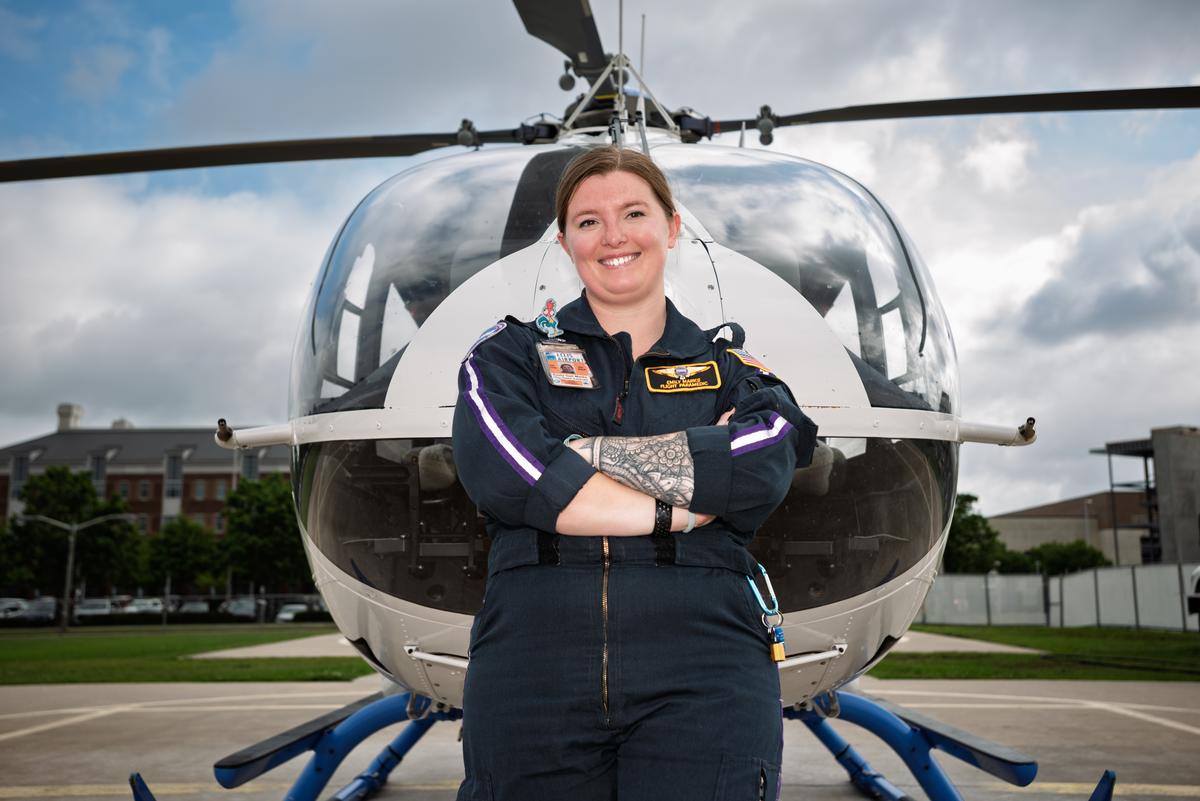
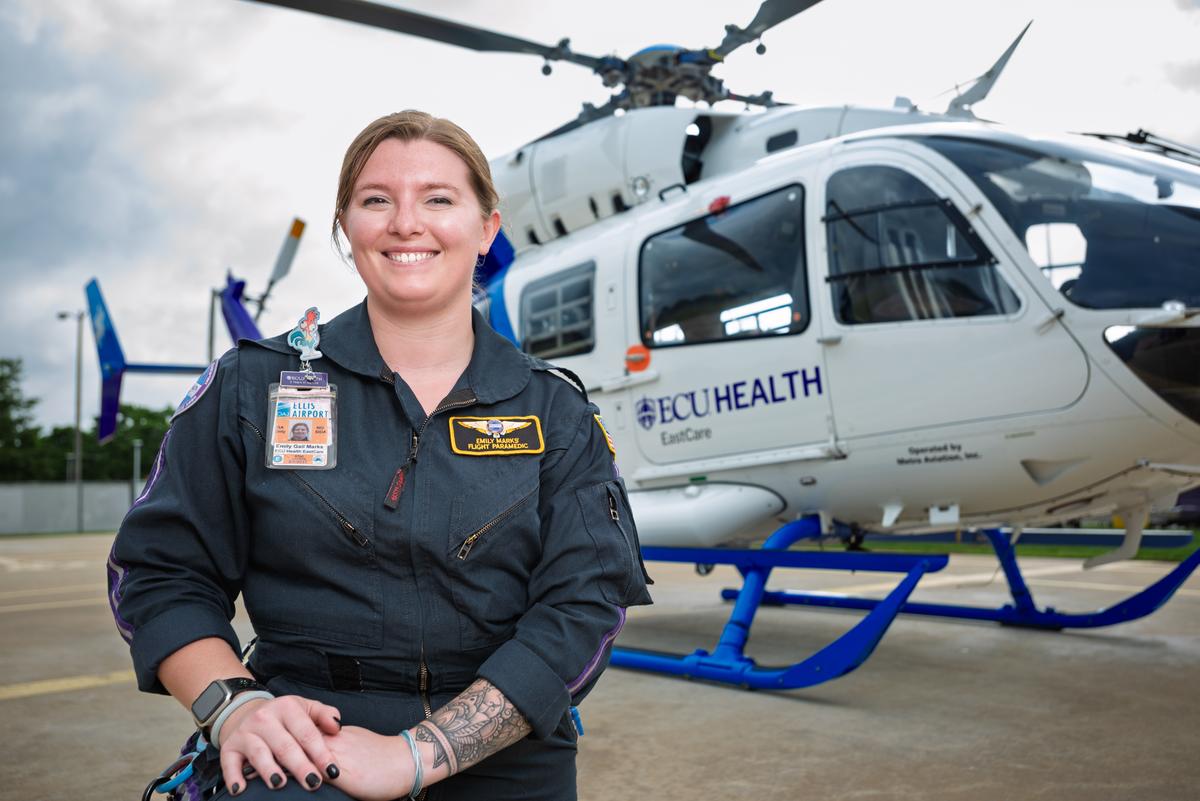
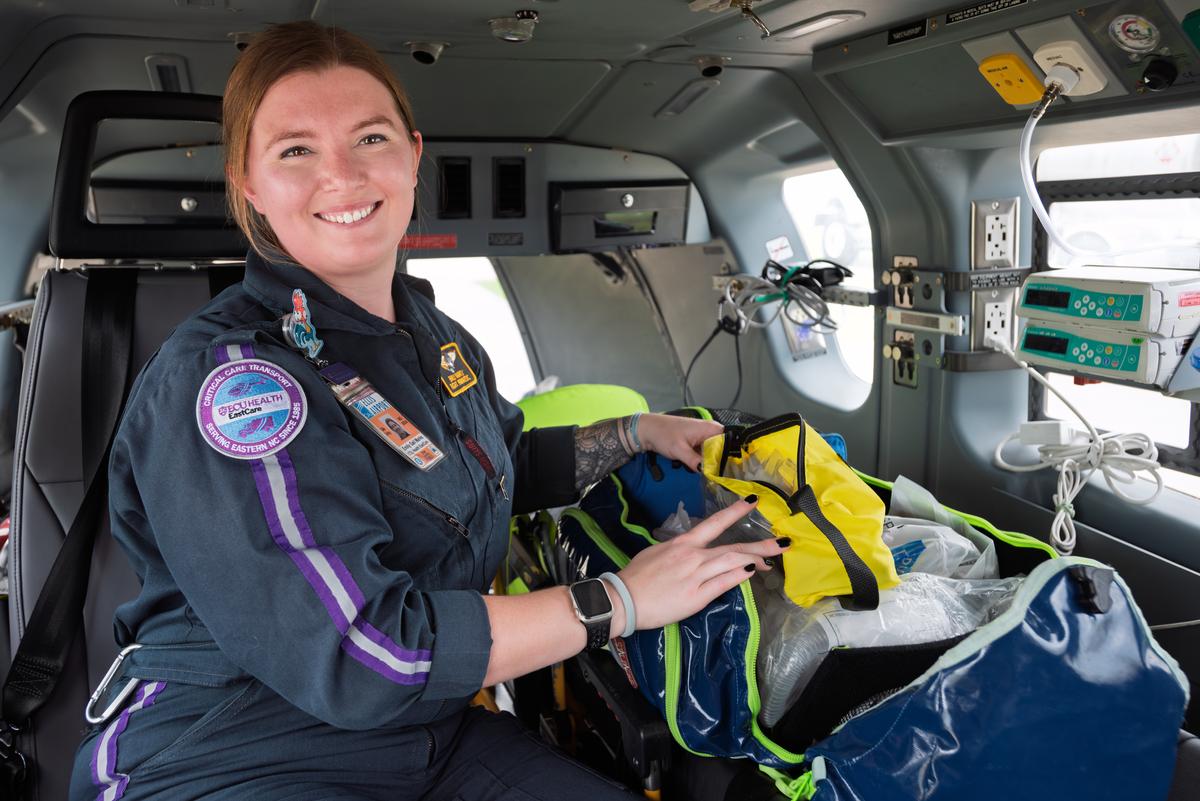
Marks is a 2020 graduate of Ðǿմ«ý’s EMC program, and a flight paramedic with ECU East
Care in coastal North Carolina.
The Cedar Fork native didn’t always dream of a career in emergency medicine. An English
teacher and a lawyer were the options on the table when she’d begun at Carteret Community
College.
But, as inspiration tends to strike out of nowhere, a fateful sociology class project
brought her face to face with the profession that would color her life.
“We could compare any two values that we wanted – we just had to correlate them. And
for whatever reason, I ended up doing my project on the correlation between call volume
and the month of the year for my local EMS agency. And they let me do a ride-along,”
Marks said.
“After that first call, I was absolutely hooked… and before I even left that night,
I filled out volunteer paperwork and was signed up for my first year of health care."
Marks hit the ground running, studying by day and working by night, and by 2017, she’d
completed her associate degree and passed the official state paramedic exam. Working
in the field, she still desired more and weighed her options in higher education.
Friends and colleagues recommended Ðǿմ«ý’s EMC program, and when Marks saw she could
take her courses online, she jumped at the opportunity and applied.
So began a journey that brought Marks to new and unimagined heights.
“My initial paramedic class built my foundations, and then I feel like Western did
a really good job of building on top of that,” Marks said. “It definitely prepared
me significantly for flight paramedicine.”
By studying with Ðǿմ«ý, Marks was able to examine the lifesaving maneuvers she’d practiced
in the field and improve upon them. She also had the chance to conduct meaningful
research praised by scholars across the country.
At a summer meetup on campus, Marks’ professors encouraged her and her peers to come
to them with any potential questions they’d like to spend time formally examining.
“I went up to my professor and I said, ‘Hey, I don’t know if this has been looked
up before, but I’m really interested in what makes providers happy, what makes EMS
workers satisfied,’” Marks said.
“That actually turned into a presentation at EMS World Expo in Las Vegas and got picked
up by UCLA’s Prehospital Care Research Forum. I got to present with some of the top
researchers in the country, which was intimidating, but also so much fun."
Marks had tapped a vein and presented her findings in 2020 before a massive online
audience.
When time came for Marks’ graduation, she wrestled between two possibilities: pursuing
further education to become a physician’s assistant or taking to the air.
Four years on from choosing the latter path, she still loves it; the work feels fulfilling
and like a natural and exciting extension of the kind of paramedicine she first fell
in love with. Responding to 911 scenes is only a fraction of the work she does over
a 12-hour day.
“I went from, ‘I just got to get them to the hospital,’ to now, I have to take them
from this hospital and get them to another hospital because they’re either so sick
that they’ve exhausted that original hospital’s capabilities and now they need a higher
level of care, or it could be something as simple as they just needed to get back
to a hospital where they already had established care for a prior illness,” Marks
described.
Marks understands that inside of her harrowing and fast-paced work, acting with compassion,
holding a patient’s hand in the throes of discomfort, can make all the difference.
And that spirit of compassion is essential too for the health wellbeing of emergency
medical professionals themselves.
“For those who have their heart in it and want to do this, I would tell (you) that
there’s going to be times (you’re) frustrated. And there’s going to be times where
(you) realize that there’s so much you don’t know, and it feels overwhelming. And
some days you’re going to feel like you’re drinking from a fire hose,” Marks said.
"But it is worth it, and there is a light at the end of the tunnel. You’re going to
see a lot of bad stuff, but there’s also a lot of rewarding stuff that comes with
it too.”
That Marks can reflect on her lessons at Ðǿմ«ý while looking over the sea from the passenger
compartment of a helicopter is testament to the incredible possibilities that bloom
for degreed paramedicine professionals.
“I most certainly would not be the paramedic I am today had it not been for Western
and the education I got there and the foundation that they set.”
Nick Wall ’15
In the summer of 2020, alumnus Nick Wall was working on the front lines of two crises:
the COVID-19 pandemic and a record-breaking fire season.
“There was a lot of uncertainty, and there really wasn’t a playbook for how to deal
with it. Being responsible for serving a community during that time was really impactful,”
Wall said.
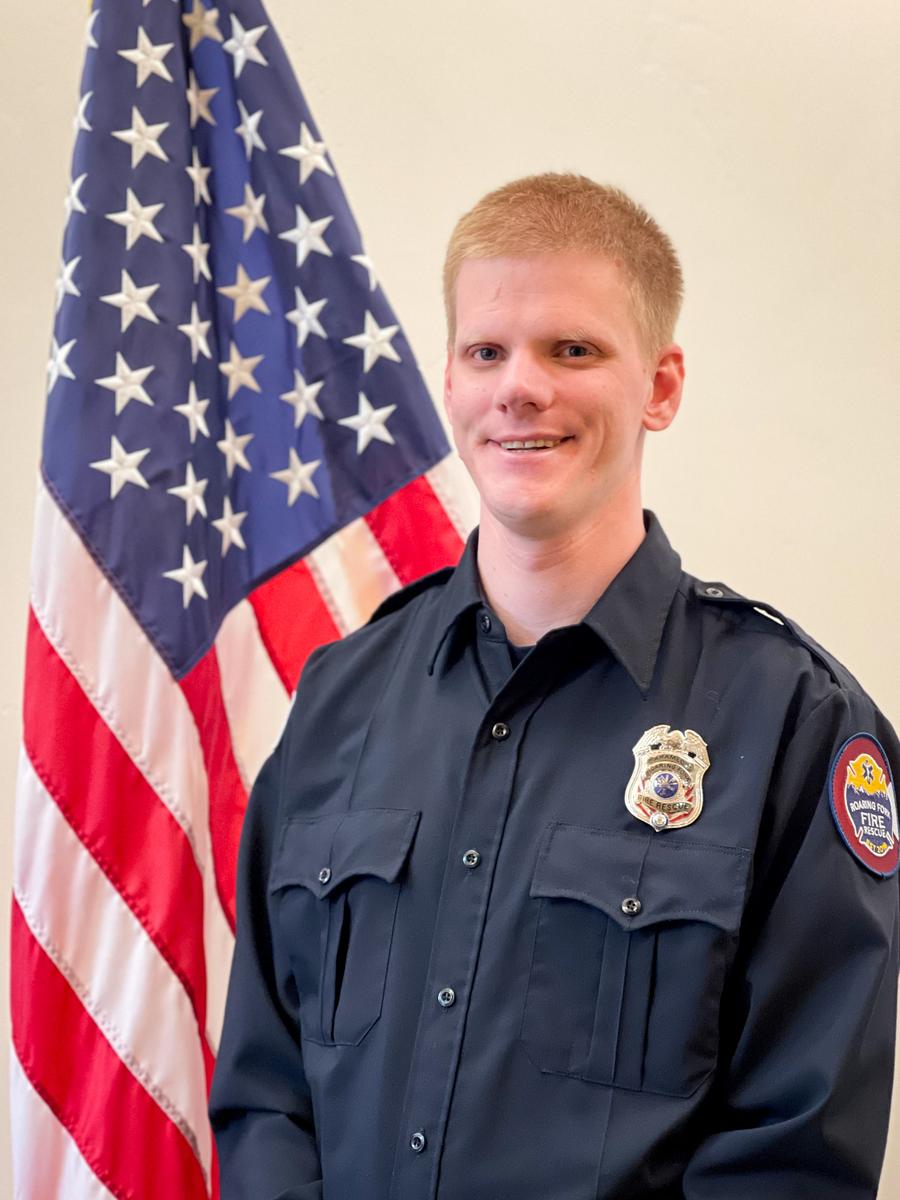
Today, Wall serves as a lieutenant and firefighter-paramedic at Roaring Fork Fire
Rescue Authority near Aspen, Colorado, overseeing the station’s responses and encouraging
the professional development of his colleagues.
When asked to reflect on his journey, Wall credits Ðǿմ«ý’s EMC program with preparing
him for both the technical and emotional demands of the profession. He also expressed
how glad he’d been to feel a sense of belonging early.
“I took an EMC class the first semester I was there, and that got me with like-minded
students, many of whom later became my classmates in the program,” Wall said. “With
only about 30 students in each graduating class, it’s a pretty tight-knit community,
and that made it really easy to build up a friend group and build up a community.”
One of the classes that influenced Wall’s professional demeanor the most wasn’t a
medical course at all, but a philosophy course comparing different cultures and religions’
understanding and attitudes toward suffering. Wall says it helped him examine his
demeanor with patients more critically.
“I think it helped me develop the compassion to recognize that not everything I’m
seeing, in terms of how someone reacts to a loved one in a serious medical situation,
is based on what I grew up with,” he said. “It helps provide background for how people
react to suffering, whether they’re more stoic or more emotional, and what type of
emotional support they need in those moments.”
His mentors also provided poignant examples of that attitude in action.
“In the program itself we had several emergency medical care professors. The most
notable one was Dr. David Trigg, who demonstrated such compassion. His clinical effect
is something that I admire to this day and try to emulate,” Wall said.
“He always used to say that repeat patients aren’t ‘frequent flyers.’ They’re ‘friendly
faces,’” he continued. “I still repeat that phrase over and over because it’s the
right mindset. It’s about making that connection with the patient and with the family.
Those are the calls you remember. Those are the ones you hold close.”
After graduating, Wall moved to Colorado and began working at a rural county-based
EMS service.
There he trained and volunteered more as a paramedic and as a firefighter. As planning
section chief, he helped Grand County organize its pandemic response and served on
different incident management teams for events like the East Troublesome Fire. And
with a bit more experience under his belt, Wall decided to transition to working on
the Front Range, an EMS service with a much higher call volume in a more urban environment.
The skillset he developed as a firefighter and paramedic in those years meant that
in 2021, he was able to take on a new and exciting role as a ski patrol technician,
providing advanced life support and performing rescues on Buttermilk Mountain, including
during the Aspen X Games.
Now, Wall serves multiple communities as a lieutenant firefighter paramedic with the
Roaring Fork Fire Rescue Authority. He’s not only managing his colleagues’ responses
to crises and disasters but is encouraging their professional development and growth.
“One of the really cool things about both the program and the profession is that you
can go in so many different directions. Where you start isn’t necessarily where you’ll
end up,” Wall said.
“The job will absolutely humble you. The moment you think you’ve figured everything
out, you’ll get thrown a curveball you never could have anticipated. Don’t be afraid
of those moments. Embrace them. Embrace the discomfort because that’s how you grow.”
Whitney Penland ’20 MBA ’24
Whitney Penland is educating the next generation of paramedicine professionals as
a full-time instructor at Asheville-Buncombe Technical Community College.
After graduating from high school, Penland enrolled at Gardner-Webb University with
plans to study medicine, but left early, feeling uncertain if she wanted to spend
the next 12 years of her life pursuing a doctoral education.
At that pivotal moment in her journey, a family member accidentally signed Penland
up for a Tuesday night EMT class at A-B Tech. When she attended, she caught the bug
immediately.
Still fresh out of high school, Penland got her license and jumped in an ambulance.
She worked as a certified paramedic in Buncombe County for nearly a decade before
choosing to return to school. She was able to enroll in Ðǿմ«ý’s online program in 2018
through an articulation agreement with A-B Tech.
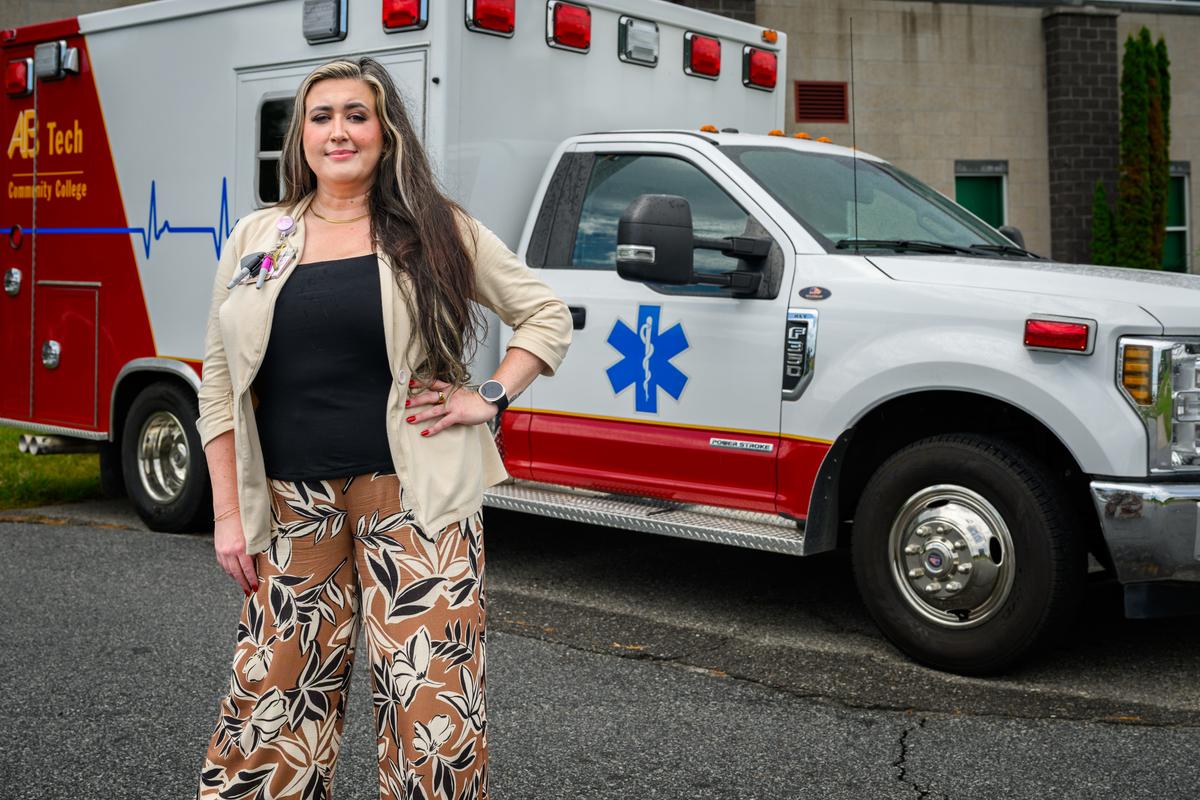
Penland described how at Ðǿմ«ý, she was able to examine the lifesaving procedures she
performed regularly in the field anew.
“Paramedicine doesn’t really change. A two-year paramedic, a four-year paramedic,
a master’s paramedic, even a doctoral paramedic, the actual job itself remains the
same,” Penland said.
“But it was so incredible to have some of the why’s answered. You have this little
package of emergency medicine that you’ve been given, but then you’re told how we
can put a bow on it.”
But things changed quickly for Penland when she suffered a stroke in her first year
of the program.
It was an eye-opening reversal, to be rolled into the emergency room she was hours
ago delivering patients to.
The shock and confusion of that moment put her encounters with past patients in a
new light, and revealed, in her mind, the discrepancy that will always exist between
textbook knowledge and lived experience.
“Anytime I can share both sides of the bed, I am more than happy to because it’s a
wild world, knowing exactly what’s happening to you all the while not knowing anything
that’s happening to you,” Penland said.
“It really showed me that you can have all the textbook knowledge in the world, but
sometimes patients don’t present in a way that matches what the textbook says, and
you have to rely on judgment and experience.”
Penland had to relearn a host of skills she’d once taken for granted, balancing her
coursework beside her rehabilitation. Fortunately, she found great encouragement among
her mentors.
“They cared about me as a complete human,” she said. “Not just another student on
the other side of the screen.”
Penland views her story at Ðǿմ«ý as “focused mainly on faculty who were full of grace,
full of excellent knowledge to distribute, who worked with a student who literally
lost their mind for six months, still pushing them to go forward and believing that
even though I’m having to relearn how numbers work in my head, that I’m still able
to have completed and finished this.”
“Without staff support, that definitely would not have been possible for me,” Penland
said.
“I had grace beyond understanding when I went through that, and I hope that I do the
same with my students too. And that really is the big point as an instructor is support
and encouragement.
“Having people who weren’t just there, but who helped me, that actually cared about
me as a person, a complete human, and not just a student on the other side of the
screen, meant everything,” Penland said.
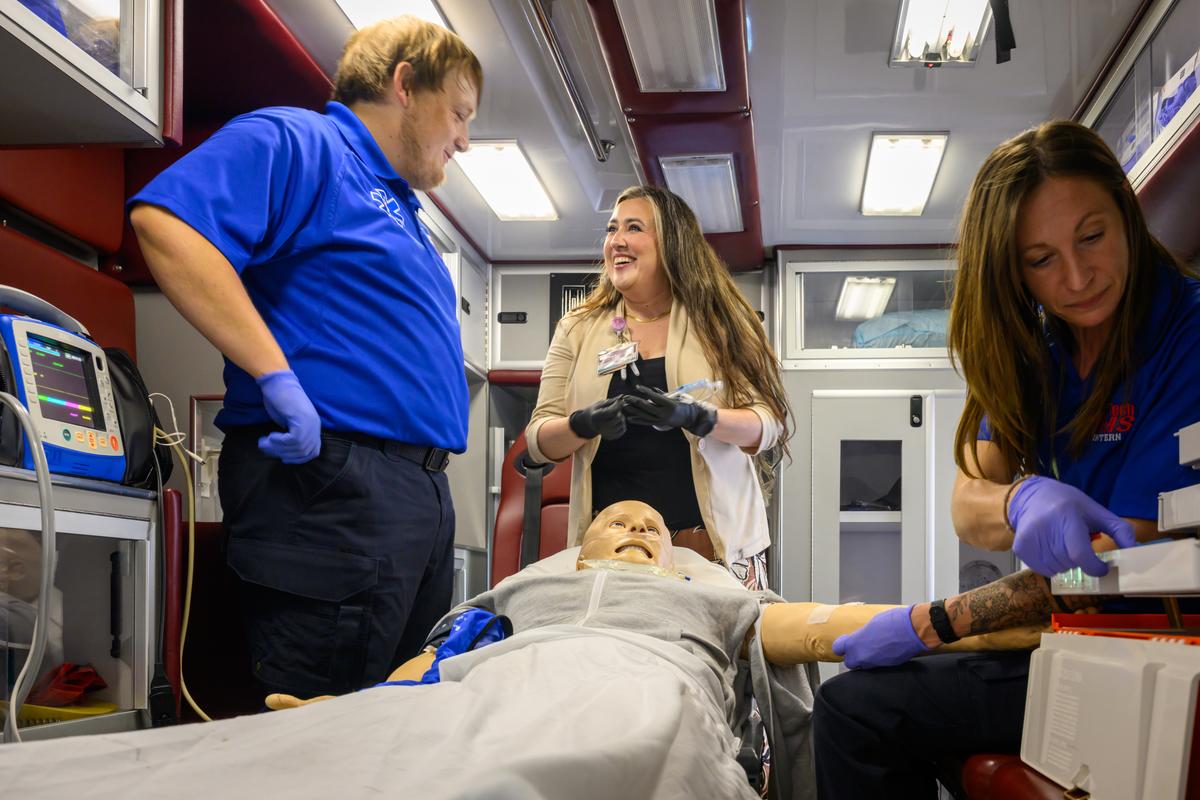
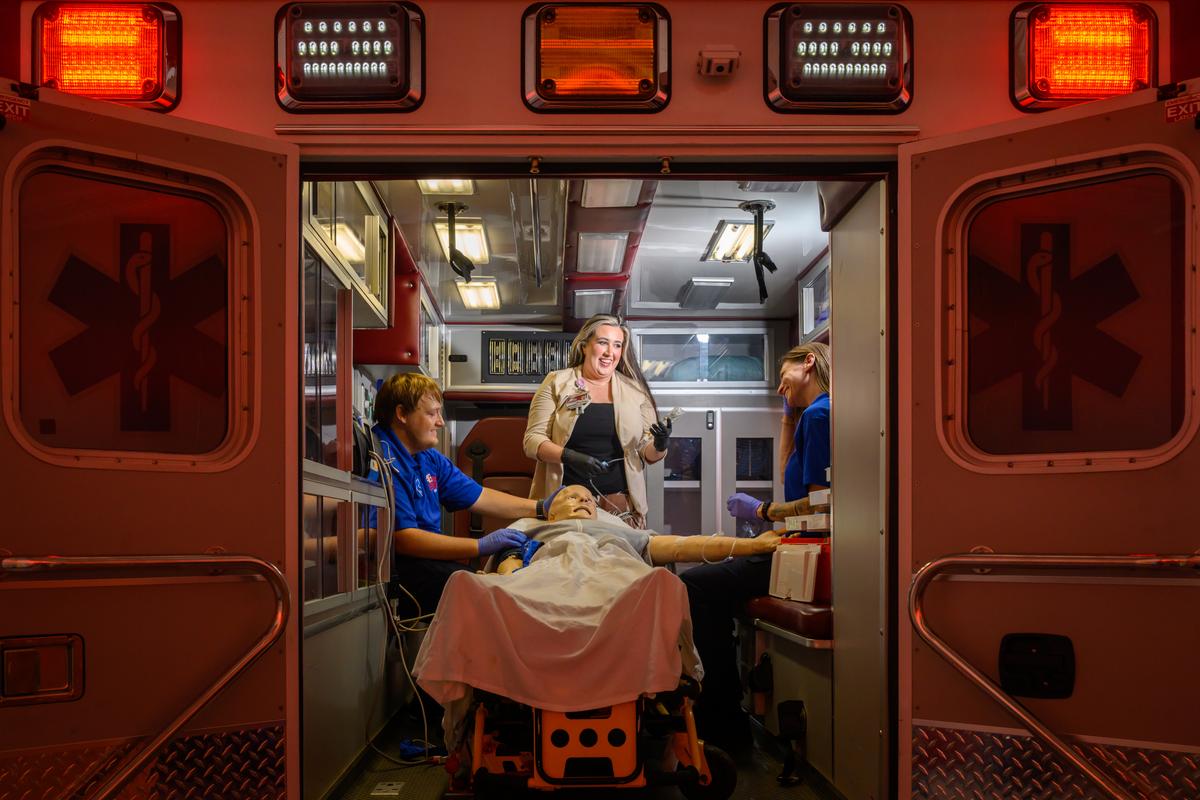
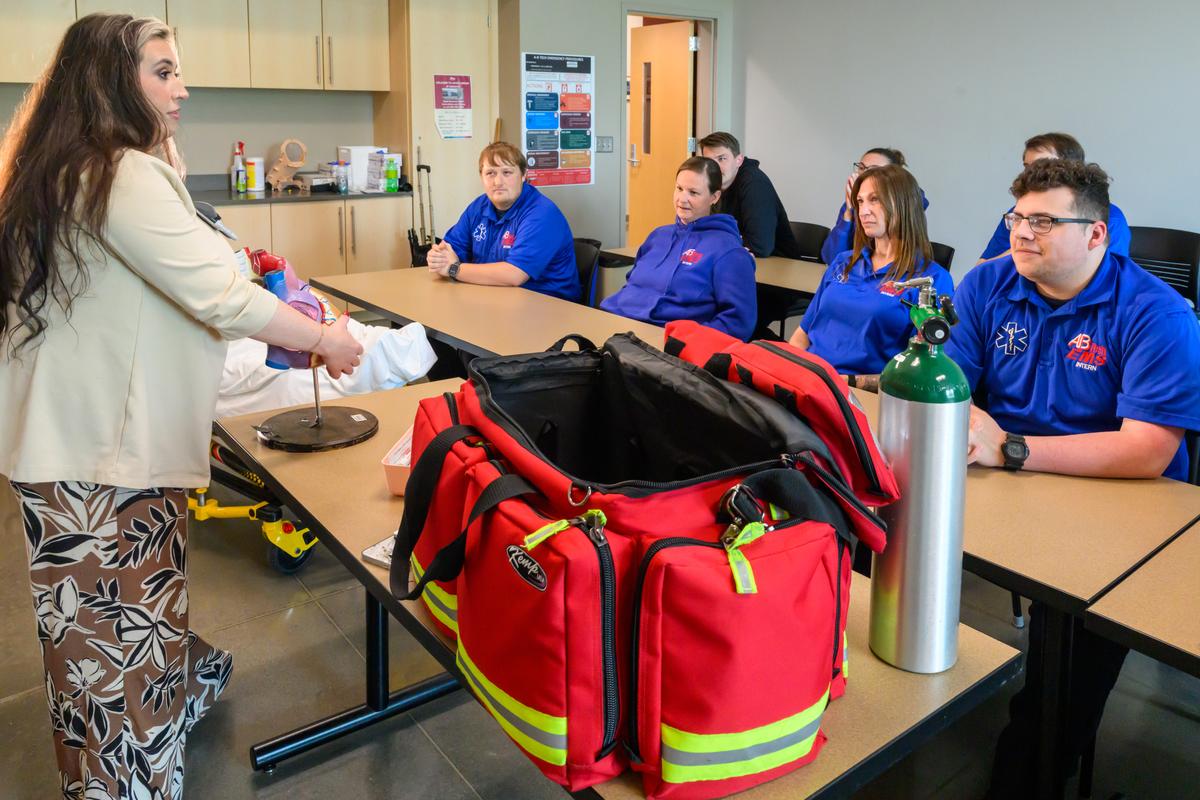
Penland went on to earn her bachelor’s and master’s in Ðǿմ«ý’s EMC program. She also
met a tight-knit community of colleagues she keeps in contact with even now, including
her best friend alumnus Emily Marks.
Today, Penland serves as a clinical coordinator and EMS educator at A-B Tech, overseeing
students as they train in hospital and field environments. She’s also been accepted
into the University of North Carolina at Chapel Hill’s Doctor of Education program
in Organizational Leadership and Learning, a new journey she hopes will better prepare
her for yet more opportunities to improve the experiences of her students and colleagues,
better defining the need for resilience and compassion amidst the physical and emotional
taxation of the work.
“It truly is not like any other field that you can imagine. You’re trying to do everything
to essentially stabilize a person that they normally would have a team in the emergency
room and a controlled environment, and you’re doing it in this tiny little box with
very limited resources.
“One of my biggest wants and hopes for at least my position, wherever I am, is to
let students know that they always have a lifeline,” Penland said.
Things will go wrong, and experiences will push the envelope and make you question
your choices and your career. But in Penland’s classroom, those questions are encouraged,
and they’re answered with a smile and a promise that they can do whatever they set
their minds to.