In the Environmental Health program, you’ll learn how to protect human health from
biological, chemical, and physical hazards in the environment through an engaging
curriculum grounded in both basic and applied sciences. As a student in one of fewer
than 30 nationally accredited programs by the (EHAC), you’ll gain the knowledge and skills needed to identify and reduce exposure
to pollutants in air, water, soil, food, and everyday materials where people live
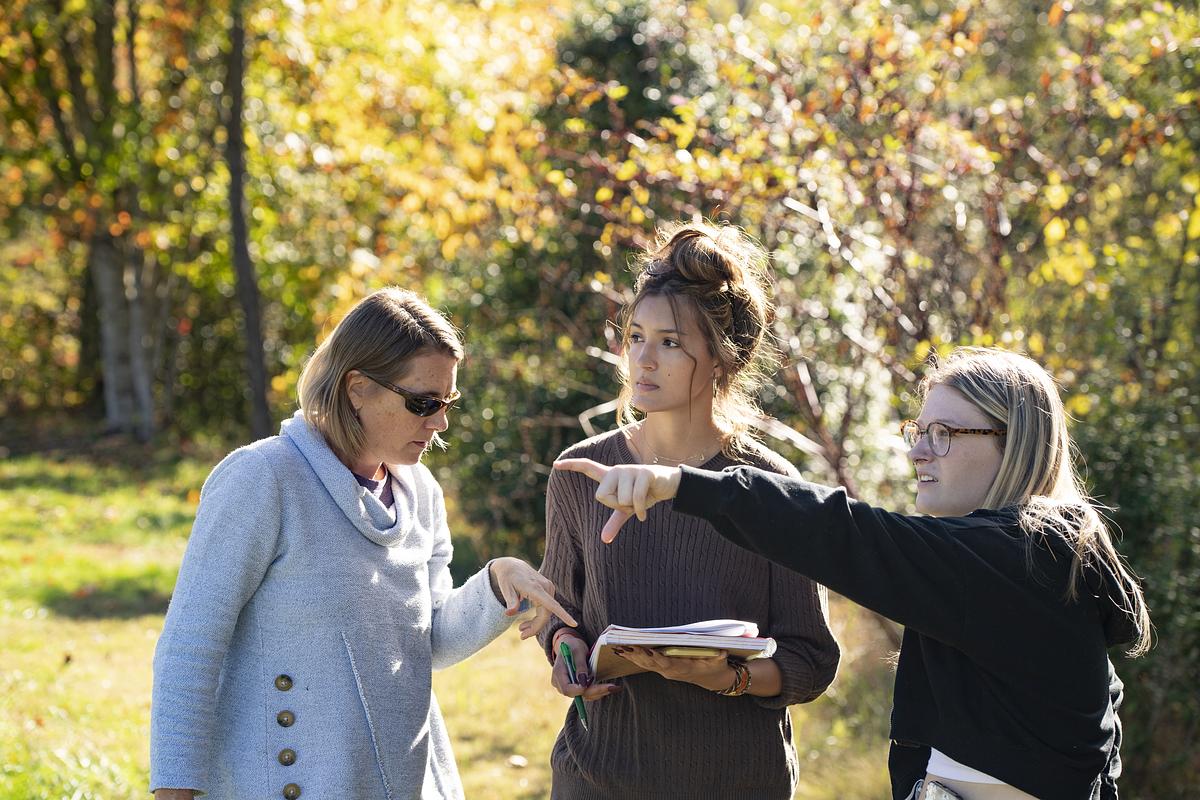
and work. You’ll also benefit from learning alongside experienced faculty who are
environmental health professionals, educators, and researchers committed to hands-on
learning and close collaboration with students.
Where You'll Go
As an Environmental Health Professional, you’ll go into a field dedicated to protecting
public health with strong career demand and expanding opportunities nationwide. Graduates
pursue impactful work reducing air, water, and soil pollution; safeguarding the food
supply; ensuring safe housing; improving the safety of schools, workplaces, and public
spaces; and addressing environmental hazards that affect communities. While many professionals
work for local and state health departments, careers also span federal agencies such
as the CDC, EPA, OSHA, and U.S. Public Health Service, as well as environmental consulting
firms, private industry, the military, cruise lines, and international organizations
like the WHO, Peace Corps, and USAID. Whether in public or private sectors, environmental
health careers offer diverse pathways, excellent job prospects, competitive salaries,
and strong working conditions.
As we become ever more aware of the impact surroundings play in personal health, there
is a growing need for Environmental Health specialists prepared to prevent and respond
to public health threats as they arise. Risks range from isolated contaminated food
outbreaks to widespread insect-borne disease, to the environmental health challenges
born out of devastating events such as a natural disaster or chemical spill. Western
Carolina University offers one of fewer than 30 Environmental Health degree programs
accredited by the (EHAC) and recognized by employers as a top program in the U.S.
Degree Options
School
College of Health and Human Sciences, School of Health Sciences
Location
Cullowhee Campus
Length
Typically completed alongside a major; flexible pacing
More About Our Bachelor of Science in Environmental Health Program
ÐÇ¿Õ´«Ã½â€™s B.S. in Environmental Health prepares students to protect public health by identifying,
evaluating, and controlling environmental hazards that impact the safety of the air
we breathe, the water we drink, the food we eat, and the places where people live,
work, and play. The program combines coursework in environmental science, biology,
chemistry, toxicology, epidemiology, air and water quality, waste management, and
public health practice—giving students a strong scientific foundation and the applied
skills needed to safeguard community health.
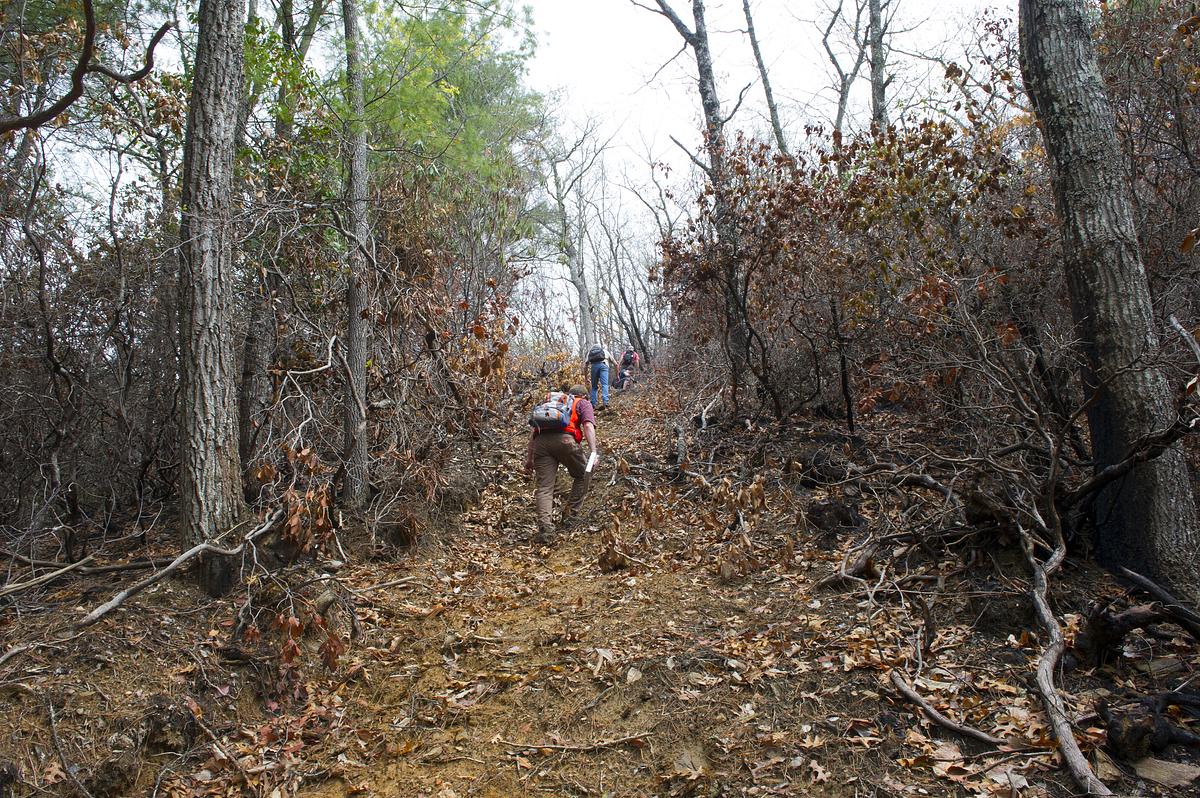
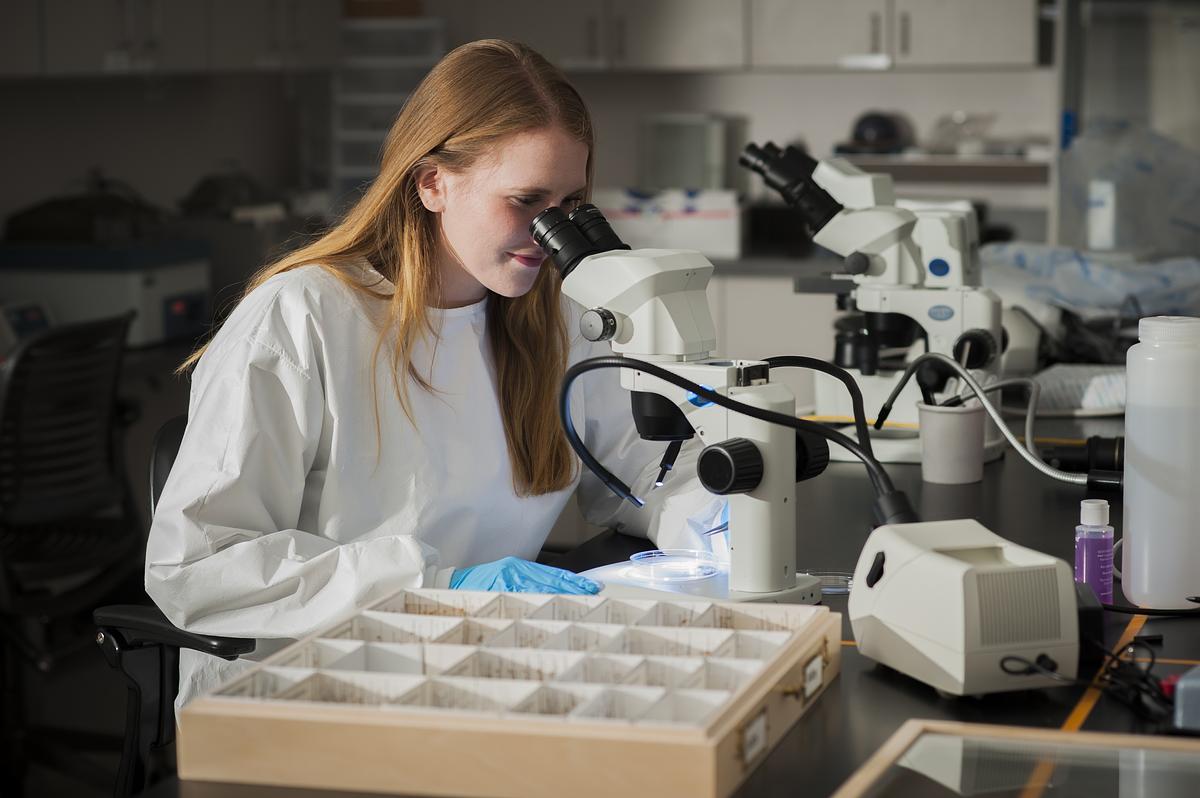
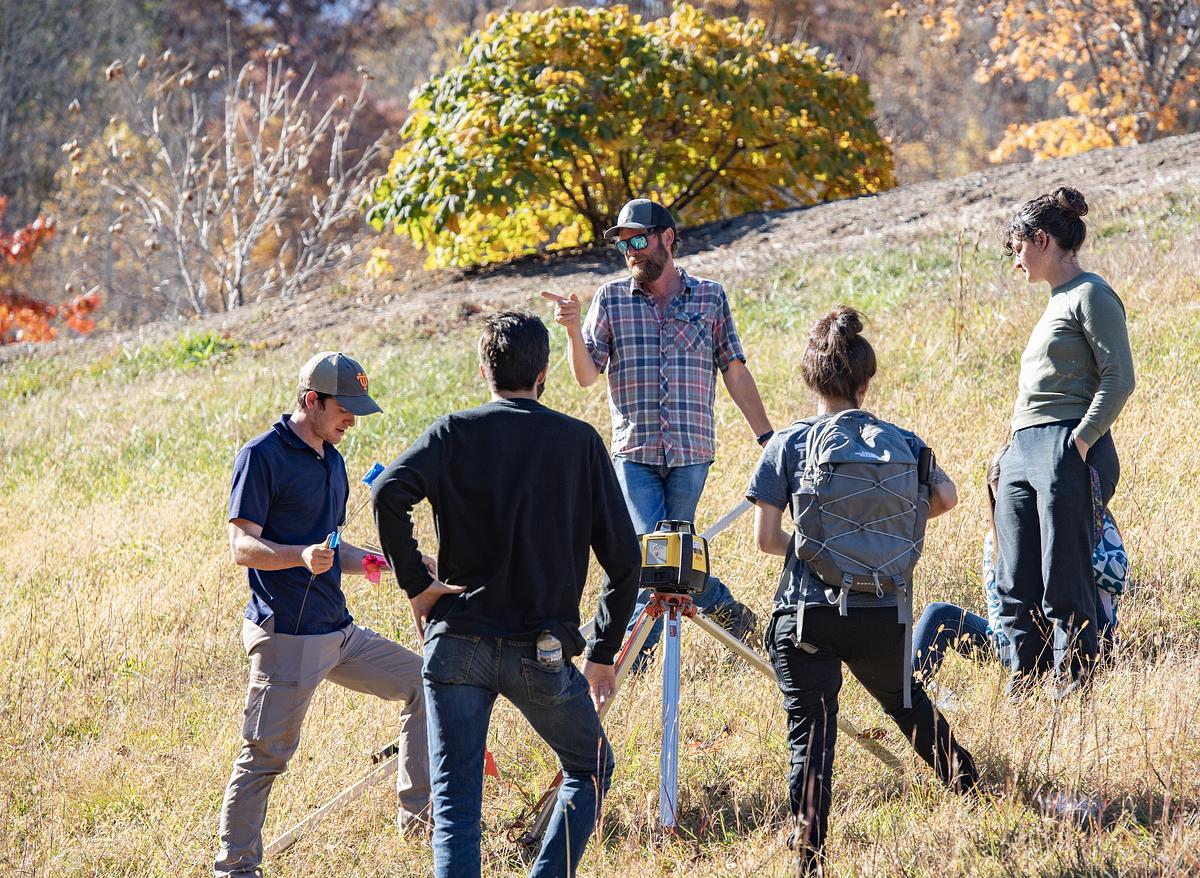
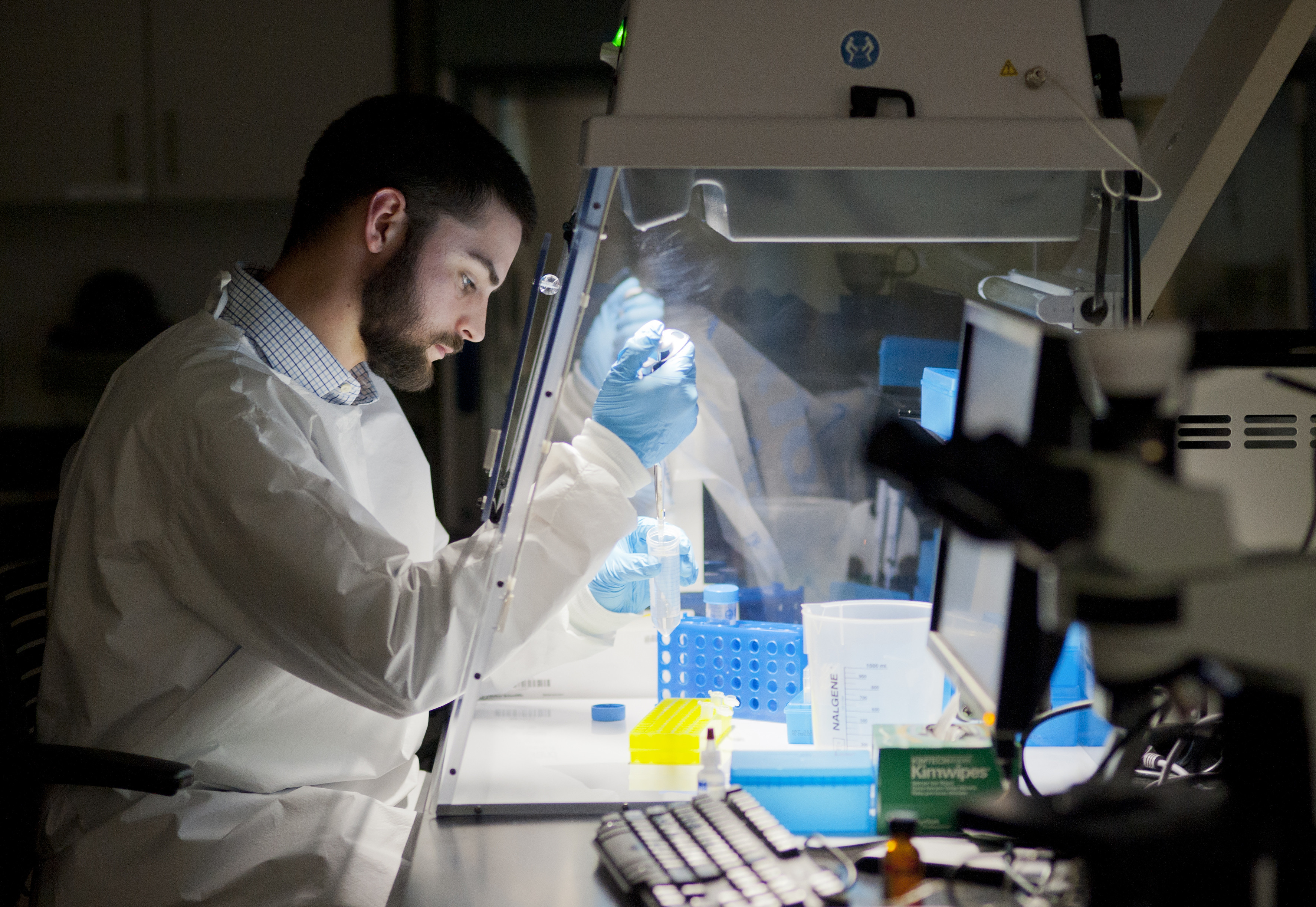
Students gain extensive hands-on experience through laboratory work, environmental
monitoring, field investigations, and a required 400-hour internship with agencies
such as public health departments, environmental consulting firms, and industrial
safety programs. With national accreditation from the National Environmental Health
Science and Protection Accreditation Council (EHAC), the program offers graduates
a highly recognized credential.
The Environmental Health Sciences program at ÐÇ¿Õ´«Ã½ equips students to safeguard community
health by understanding the complex interactions between environment and human well-being.
The program blends academic rigor with real-world training. Through coursework and
laboratory-based instruction, students build competence in detecting, evaluating,
and mitigating environmental hazards.
The curriculum and internship experience prepare students for roles in government
agencies, private industry, environmental consulting, and public-health organizations
— effectively contributing to community safety, environmental protection, and population
health.
Play Video
What’s Happening
JUN
14
JUN
16
JUN
16
Related Programs
Explore our related programs until you find the one that’s right for you.



 Play Video